
Changing Tides - 5 Ways My Watch Preferences Have Evolved With Time
A Collector’s Journey Through Time, Taste, and Change...

Every collector has a trail of watches they have lusted after, collected, then later moved on from. My collection is no different — it has had its fair share of casualties due to time and new intrigue. Most of what I have moved on from, I can still appreciate from afar. Heck, I’ve even repurchased a watch that I previously sold, which I caught the bug for again. It’s just part of the hobby — while it would be nice to keep every watch we purchase indefinitely, in reality, this isn’t practical.
As the season changes from summer to fall, I tend to get an itch for some fall cleaning and decluttering, and this usually includes taking a hard look at my watch collection to see where I can tidy up. As I stood in front of my watchbox, looking for candidates to move along, I was struck by how much my collection had changed. Sure, I had added some and sold some, but what really stood out to me was the details — the design details and themes that existed in my current collection and how my preferences have evolved over time.
As I got to thinking, it was only natural that these preferences would change over time — the more experiences I gathered, the more I would find commonalities among the design language I liked and disliked. I thought it might be interesting to explore a set of my most common preference changes since I began to collect watches seriously — thus, here are five ways my preferences in watch design and attitudes towards collecting have changed over time.
Time-Only Watches
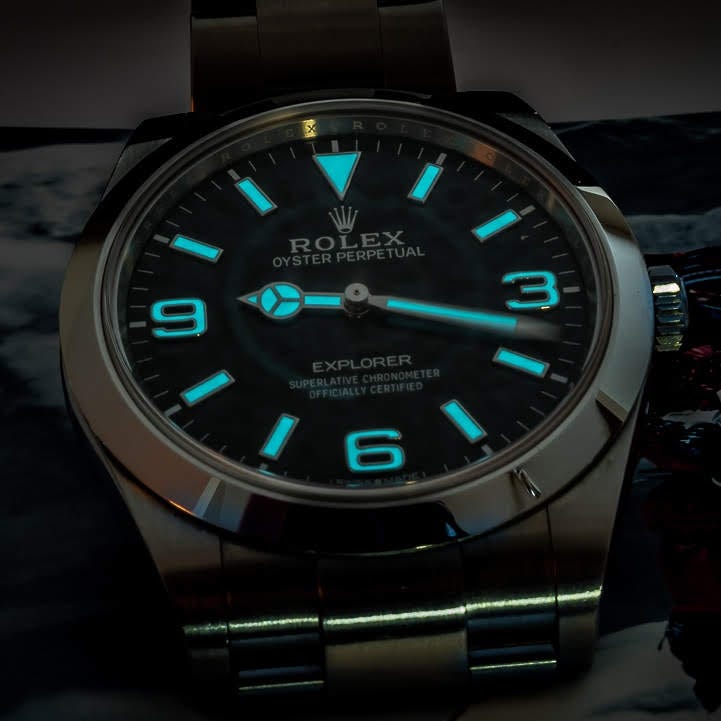
When I first started collecting, I found time-only watches horribly drab and boring. I gravitated towards watches with some sort of complication or tactile feature — a chronograph, a dive bezel, or a local-jumping hour hand. At a minimum, I wanted a date display that provided some practical function beyond the time of day. There was a point, not too long ago, when only 2 of the 12 watches I owned in my collection were time-only watches.
Now, don’t get me wrong, I haven’t developed some vendetta against complications or other practical features that watches have. As I’ve spent time in watch collecting and my taste has evolved, I’ve only grown fonder of time-only watches. I think this is for two reasons. First, because time is the quintessence of wrist watches — it’s where all watches start, and really, the only essential function. Second, though time may be the most fundamental complication and, from a watchmaking perspective, the simplest complication, from a design perspective, it is the most challenging to execute in a way that demands attention. When you strip away all other functions and superfluous features and are left with time only, how, as a designer, do you create something unique?
One might argue you cannot — there have been so many executions of time-only that surely there is nothing left to do that hasn’t been done already. Therein lies the beauty of time-only watches; it presents watch designers with the unique challenge of displaying the time in a way that is not only distinctive but inherently interesting. When you strip away everything else, all the bells and whistles of a watch, and are left with only the essential elements — a case, a dial, a handset — to be left with so little and be able to create an object that is functional and beautiful is nothing short of extraordinary.
Gold Watches
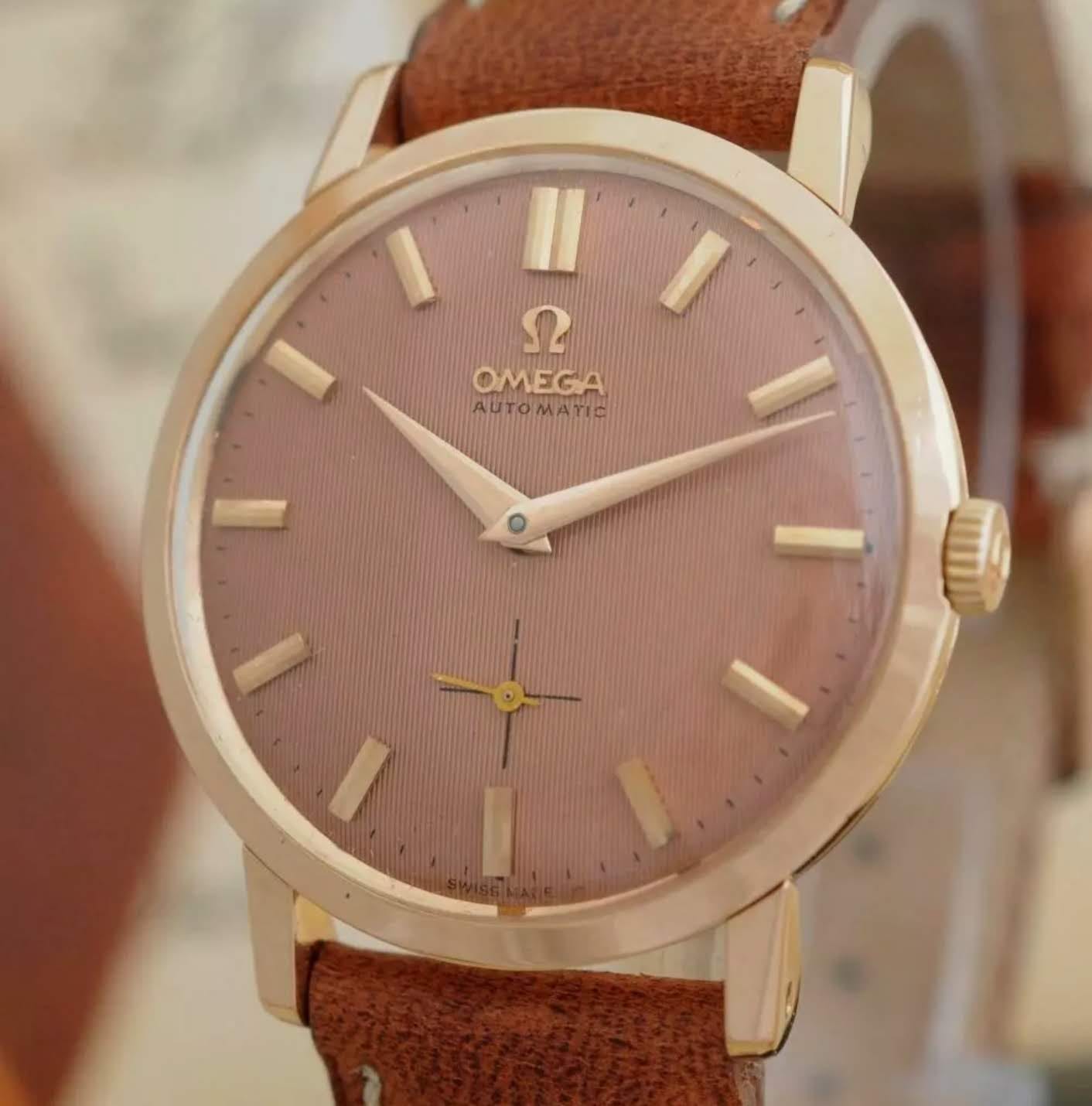
It took me a while to come around to gold-cased watches. One of my first loves within watch collecting was in dive watches, which arguably lie on the opposite end of the spectrum to gold watches (even though there are plenty of examples of gold dive watches). Gold struck me as a wholly impractical value proposition — softer than steel and titanium, which lent to being less durable or robust, precious metal resulted in a more expensive product, and the density of gold meant they were heavier and more noticeable on the wrist than most of their metallurgical counterparts (save for platinum).
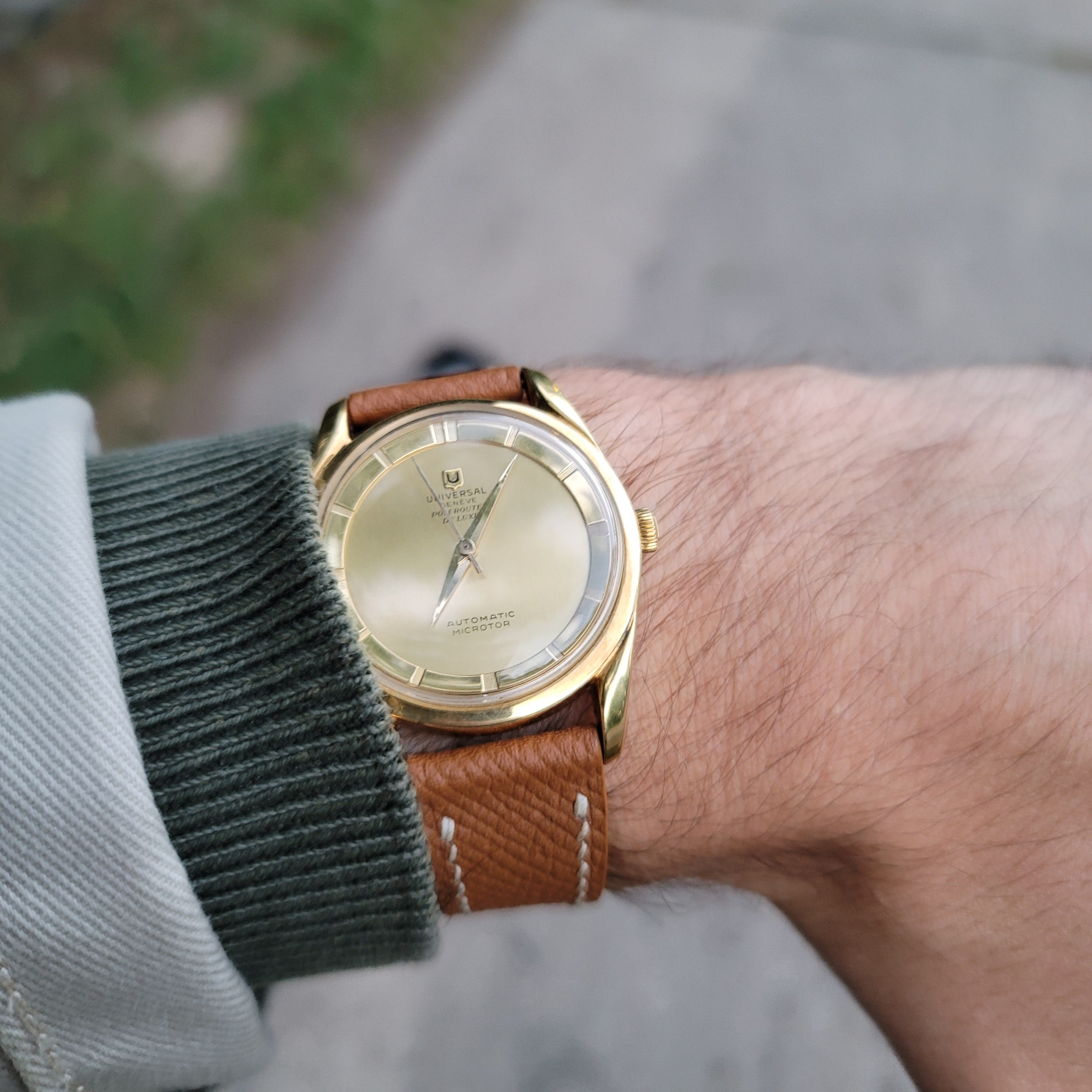
Sure enough, as time wore on, gold slowly crept in as a fascination. It started with my vintage Universal Geneve Pole Router De Luxe, rendered in 18k yellow gold — there was an undeniable charm to its case, its handset, its matching yellow gold dial. Suddenly, the things I initially found impractical seemed trivial. The pendulum swing of trends may have swung away from sport watches in the last 12-18 months and towards smaller, often precious metal, dress watches, which may have influenced my feelings towards gold watches, but I think in the end, the unique charm that gold brings is what has ultimately changed my preferences towards gold.
This one is harder for me to encapsulate the “why” as much as with some of my other preference shifts, but if I had to encapsulate why, I’d borrow from the adage of Auric Goldfinger — “This is gold, Mr. Bond. All my life I’ve been in love with its color... its brilliance, its divine heaviness.”
Case Size
When I first got into watches, big watches were THE thing. Panerai was all the rage, every brand had a flagship that was 42+ mm, and it was a time when sub-40mm watches felt small. Now, I’m not here to poo-poo big watches. Heck, I still love me a good chunky dive watch, but over time, as my tastes have evolved, I’ve come to appreciate smaller watches. Something about small watches is infinitely more romantic, more suave, more elegant.
Now, small is different for everyone; for someone with an 8-inch wrist, small might be 39mm. I’ve got a 6 3/4 inch wrist, so for me, small is anything 35mm and below. I’ve found that when I strap on a watch around that size, the case, its proportions, and even the dial just harmonize and sing. I’ll find myself doing that watch enthusiast thing that is ever so familiar to us all — just staring down at my watch appreciating it. On top of that, most watches in this size range are just so much more wearable; they both disappear when you don’t want to be focused on them and also magnify when you do. They also, in my opinion, are significantly more versatile — they can more easily be dressed up or down and matched to any occasion or outfit.
Big watches certainly still have a place. I will say that generally big watches are more hard-wearing, tool-forward, and robust, which is equally admirable in a different way. For too long, this narrative that small watches were feminine proliferated, and even if that were true, so what? Would you let a watch being “too small” stop you from enjoying this vast segment of this hobby? That, to me, would be a horrible travesty indeed.
GMT Watches
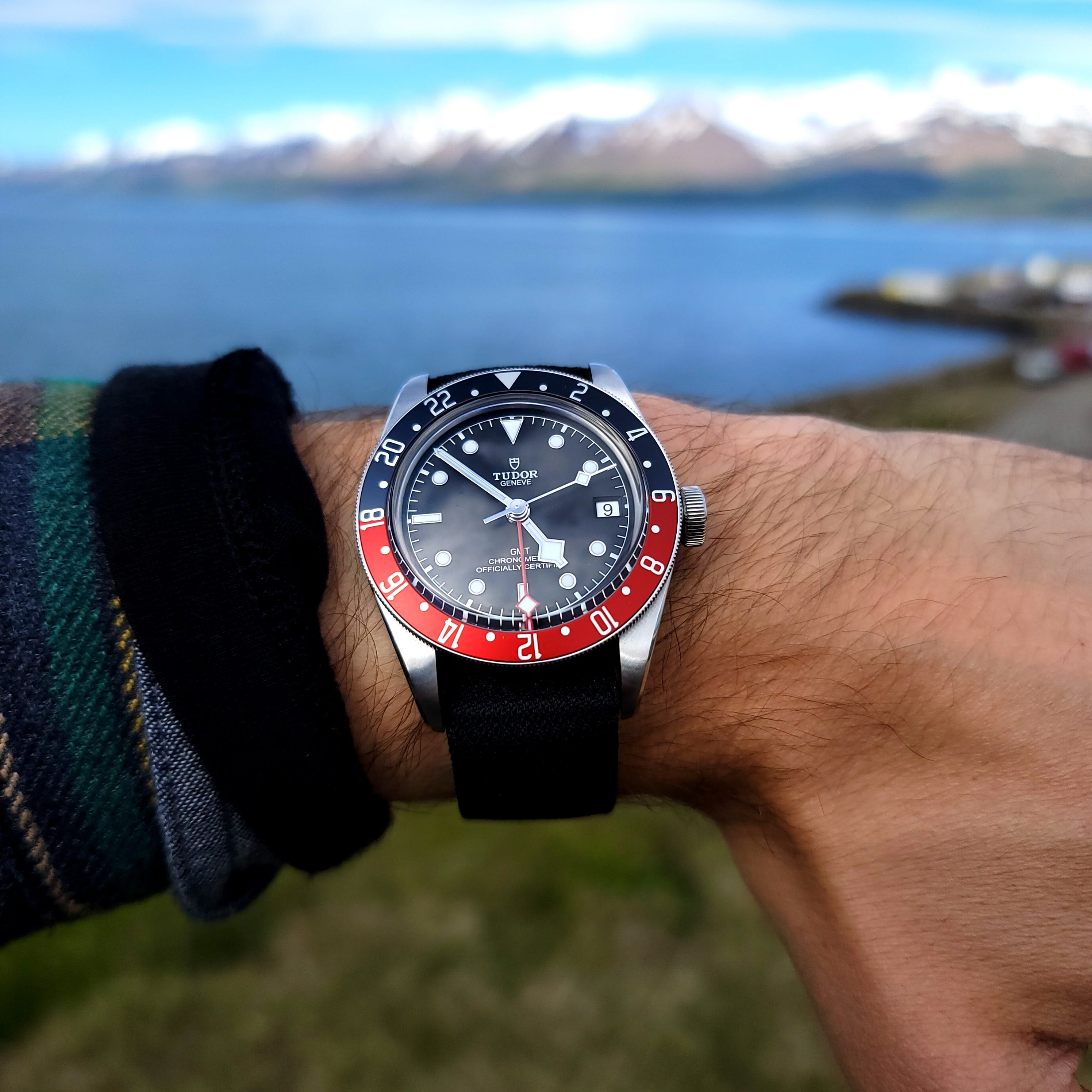
OK — this one I might catch some heat for, but my love for GMT watches has waned over time. Don’t get me wrong, I still love that moment when my plane touches down in a different time zone and I get to unscrew the crown of my Tudor Black Bay GMT and click the local hour hand forward or backward a few notches before screwing the crown back in before departing on an adventure in some far-flung place. It’s a little ritual that is irrationally satisfying — like a little moment of magic.
Here’s the thing — that moment is the exception, not the rule. That moment of magic only comes when you switch time zones for real. For me, someone who travels outside my local time zone at a rate of around 1-2 times per quarter, it’s a function that I don’t get to use as often as I’d like. Thus, my GMT serves as a somewhat painful reminder, more often than not, that my current life situation keeps me bound to my home time zone.
My GMT is still one of my favorite watches to travel with, but when I’m not travelling, it takes a back seat to pretty much every other watch in my watchbox. I love the spirit of the watch; the inherent wanderlust baked into GMTs speaks to the very fibers of my soul, but that tension with the life I actually live (at least for now) leaves me wanting.
Watches as an Investment
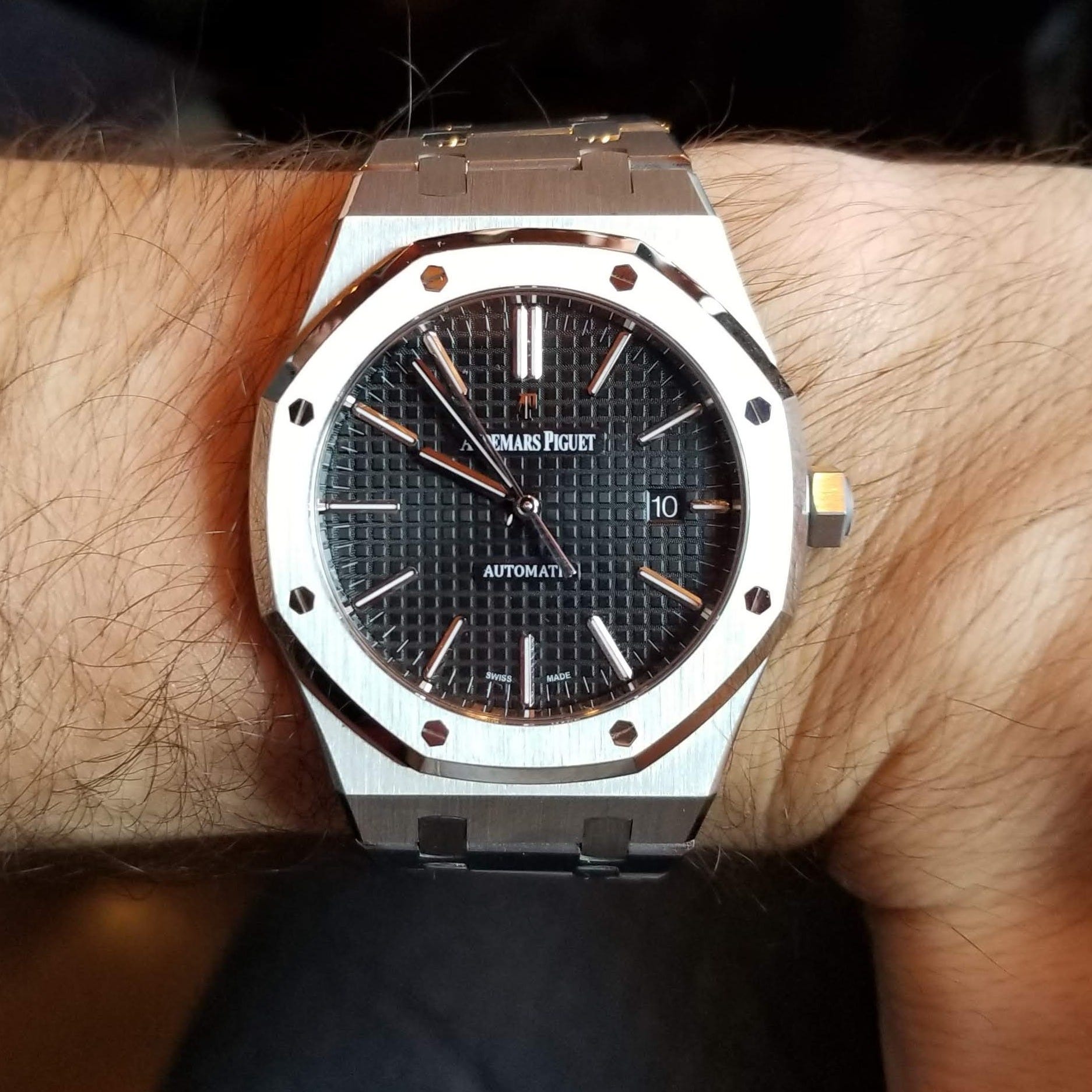
Watches as an investment is one of the constantly recurring themes in modern watch collecting. Listen to a few episodes of any watch-centric podcast, and you’ll likely hear this concept brought up in short order. Most enthusiasts are of the opinion that watches should not be looked at like an investment. Much like cars, they depreciate as soon as you drive them off the lot — or with watches, as soon as you leave an authorized dealer. This really isn’t much of a subjective matter but rather an objective fact. Sure, there are some exceptions, but generally those exceptions lie within a few select brands, namely, Rolex and Patek. There are, of course, some other examples in other brands, but again, this tends to be the exception, not the rule.
I’ll start by saying that generally, I agree with the underlying sentiment that watches should not be looked at as investment vehicles. Looking at watches as investments inherently conflicts with enjoying them. However, as I’ve bought and sold countless watches over the last ten or so years, I’ve come around to the idea that we, as collectors and enthusiasts of these objects, should not entirely dismiss the financial implications of the watch purchases we make. Anyone who has purchased a watch, enjoyed it for a time, then decided to sell it later at a net loss has likely felt the pang of the financial repercussions. Whether it was a loss of a couple hundred dollars or a couple thousand, it can really cause some pause and reflection.
I’ve learned to not make watch purchases on impulse, FOMO, or without due diligence. I’ve also learned that I can appreciate a watch without the need to own it myself, almost in the same way I can enjoy museum-grade art. When I do purchase watches now, I generally go into it knowing that if (and likely when) I decide to sell it, it will be at a loss. The ultimate outcome in this shift of attitude is that I buy fewer watches, but usually feel much more fulfilled when I do buy a watch. I don’t see watches as investments in likeness to stocks and bonds, but rather vestiges of value, both financial value that I’d like to be able to recoup in majority and proprietary value that I can feel good about wearing, owning, and expressing enthusiasm for.
In Conclusion...
Watch collecting is a funny thing, taste is a funny thing — right when you think you’ve got it all figured out, poof, things change. When I first got into watching collecting, things seemed so much more black and white, more binary — I felt there were objective rights and wrongs within design, within what was deemed good or bad, how watches should be. Now I see how juvenile and silly that whole perspective was. If that were true, I think I would really be bored with this hobby by now.
No, how I see my watch enthusiasm now is much more in likeness to how Bilbo Baggins was, inThe Hobbit, when he woke up and realized that Gandalf, Thorin, and his comrades had embarked on their journey without him — he rushed out his door, proclaiming, “I’m going on an adventure!”
What are some ways your preferences have changed since getting into watches? Would love to hear some taste shifts from readers!